

How To Clean A Washing Machine’s Drum

If you’ve noticed birds nesting in your home’s exhaust vents, taking quick action is essential. Promptly addressing this issue protects your property from potential damage and ensures the safety of the birds. In this guide, we’ll walk you through inspecting the nest, safely removing it, cleaning the dryer vent, and installing bird and rodent covers to prevent future issues.

Make dryer vent care part of your regular home routine. At The Lint King, Dryer Vent Cleaning Experts, we help homeowners understand when cleaning is due and which changes deserve attention sooner. For homes with a vented dryer, a simple schedule, everyday lint filter care, and a little observation can make maintenance easier to manage.

Give your laundry appliances a fresh start before the next load. At The Lint King, we encourage homeowners to look beyond the clothes and notice the equipment doing the work. Detergent residue, trapped debris, and neglected cleaning areas deserve attention, too. A little attention between loads helps you notice what needs cleaning.1
Here is a practical way to clean both drums, care for the surrounding parts, and recognize when your dryer vent needs separate attention.

Here is a practical place to start if dryer vent maintenance feels unfamiliar. At The Lint King, we want homeowners to understand what their dryer needs, recognize changes early, and feel comfortable asking questions. A little practical knowledge can make caring for your home’s laundry room more manageable.
Start with the whole exhaust path. Cleaning the lint screen matters, but the duct behind the dryer and the outlet outside deserve attention, too. The U.S. Consumer Product Safety Commission explains that accumulated lint can restrict airflow, cause excessive heat, and contribute to dryer fires.[1]

Here is a practical way to get to know your laundry room: follow the path that warm air takes from your dryer to the outdoors.
At The Lint King – Dryer Vent Cleaning Experts, we want homeowners to understand why that path matters. Cleaning the lint filter is an important habit. However, the vent behind the machine also needs attention. The U.S. Fire Administration recommends checking both the filter and venting system to help prevent dryer fires.1

Here is a simple laundry-room habit every homeowner can use: clean the clothes dryer lint trap after every load. It takes a moment and helps air move through the appliance.
At The Lint King, this matters because the filter is the first checkpoint in a longer exhaust path. Good care begins at the screen, continues through the dryer airway and ductwork, and ends outdoors. This guide explains those steps in plain language.
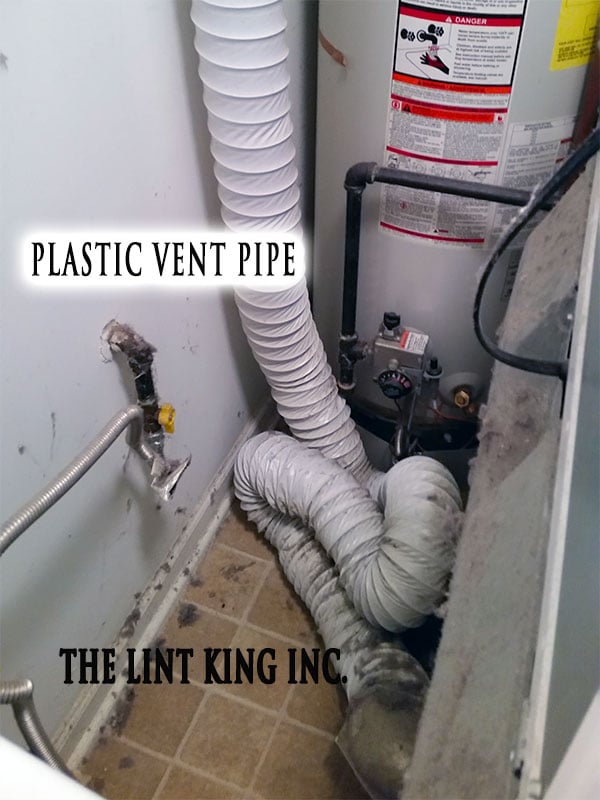
Proper clothes dryer vent safety begins with correct installation and regular maintenance. Following these clothes dryer vent safety and installation tips will reduce risks like fire hazards and improve dryer efficiency.
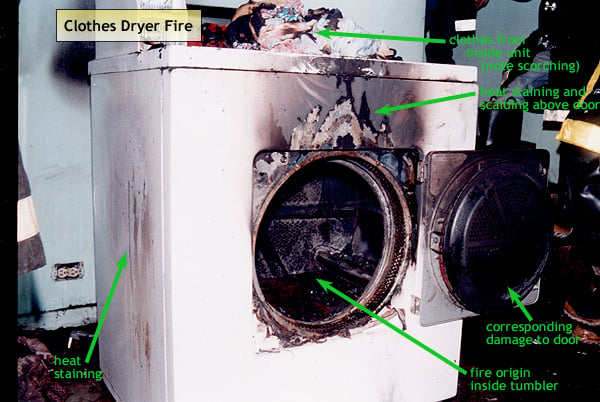
Here is a practical guide for homeowners who want to recognize dryer vent trouble before a small airflow problem becomes a bigger interruption.
At The Lint King, we often hear the same question: “How can I tell whether the dryer or the vent is causing the problem?” The answer usually begins with simple changes you can see, feel, smell, or taste. You do not need technical training to notice them.
These signs do not prove that lint is the only cause. Heavy loads, a weak washer spin, dirty moisture sensors, appliance faults, or cycle settings can also slow drying. Still, repeated symptoms mean the complete exhaust path deserves attention.
The U.S. Fire Administration reports that failure to clean was the leading factor in the ignition of home clothes-dryer fires in its 2018–2020 data.[1] Routine observation helps you respond early.
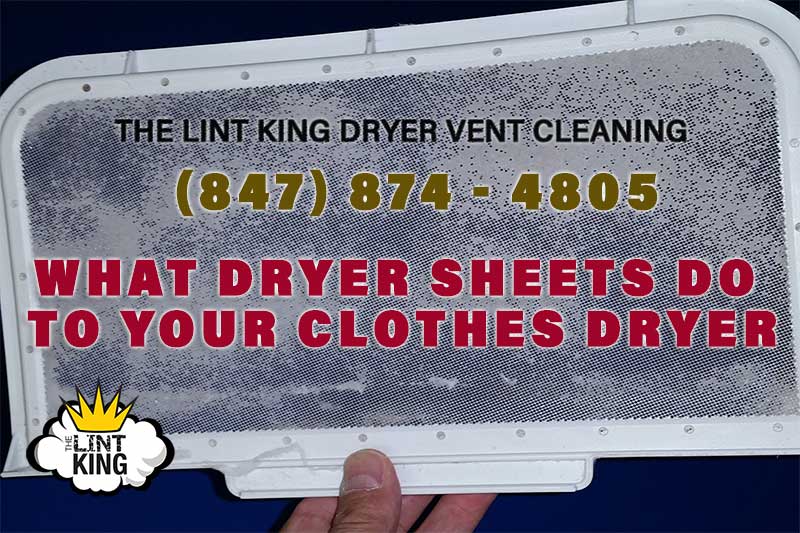
Here is a simple laundry habit worth trying: leave dryer sheets out of your next load. At The Lint King, we help homeowners understand how everyday choices connect with dryer care. A simpler routine can mean fewer added fragrances, less softener residue, and one less product to buy. Start with your fabrics, your preferences, and your appliance instructions.

Give your dryer’s exhaust path a little attention before the next laundry pile grows. At The Lint King, dryer vent cleanout means looking beyond the lint screen and helping homeowners understand what carries warm, moist air outside. Even a short vent deserves regular care.
You do not need to know every duct fitting or diagnose an appliance fault. Start with the basics, notice changes, and ask for help when the system needs more than routine filter cleaning.

Is your dryer taking longer to finish familiar loads? Here is a practical place to start. At The Lint King, we help homeowners understand the exhaust system behind their dryer and recognize when it needs attention. Professional dryer vent cleaning services address lint and airflow restrictions, while an inspection helps identify problems that cleaning alone cannot solve.
Laundry should fit into your day without repeated cycles becoming the routine. However, a restricted exhaust path can leave clothes damp and allow excessive heat to build. The U.S. Consumer Product Safety Commission explains that accumulated lint can obstruct airflow and contribute to dryer fires.[1]
Cleaning removes a source of restriction. It can support better performance when buildup is the problem, but it cannot guarantee a particular drying time, eliminate every fire risk, or repair a failing appliance. Understanding that distinction helps you choose the right next step.
A conventional vented dryer sends moist air outdoors. A ventless heat pump dryer handles moisture differently and does not need an exterior exhaust vent. If you have a ventless model, follow its specific maintenance instructions.[2]
For a vented dryer, the lint filter is only one part of the system. The transition duct is the short connection between the appliance and the permanent ductwork. That ductwork continues to an outdoor outlet, often called the termination.
The filter catches lint, but some fibers pass farther into the exhaust path. Therefore, an empty filter does not establish that the entire vent is clear. Our related guide, 5 Signs You Need Dryer Vent Cleaning, explains the main warning signs.[3]
Start by comparing similar loads on familiar settings. A heavy blanket and a small load of shirts will not behave alike. Whirlpool identifies load size, fabric combinations, cycle selection, and ventilation as possible reasons for longer drying.[4]
Use these observations to describe the problem. They help guide an inspection; they do not diagnose the cause.
| What you notice | What to do next |
|---|---|
| Similar loads repeatedly need extra time | Check the filter, loading, settings, and vent condition. |
| Warm laundry remains damp | Arrange an airflow assessment if basic checks do not help. |
| The outdoor flap barely opens | Report possible restriction without climbing or reaching inside. |
| A burning smell or severe overheating develops | Stop using the dryer and arrange a qualified inspection. |
| There is no known cleaning history | Plan an inspection and establish a maintenance record. |
For additional explanation of these signs, see reference 3. If you see smoke or fire, leave the building and call 911. Do not keep running the dryer to investigate. The National Park Service advises arranging service before continuing to use a malfunctioning dryer.[5]
The Lint King describes a process that begins with inspection, continues through lint removal, and ends with a final review. Learn more at Why Choose The Lint King.[6]
The technician looks for accumulated lint, obstructions, and visible duct damage. Share any changes you have noticed, including when they began. Mention a recent dryer replacement or work near the laundry area, even if you are unsure whether it matters.
The published process describes rotary brushes and vacuum equipment for loosening and extracting buildup. It also addresses the lint trap area and connection points. Ask which portions of your system can be reached and whether any access limitation affects the work.
A final inspection, with testing when appropriate, helps evaluate the result. Before the visit ends, ask what was found, what was cleaned, and whether anything needs further attention. Keep the service notes with your appliance records.
Sometimes lint is only part of the problem. The Lint King lists disconnected ducts, broken sections, wet lint, standing water, and unsuitable plastic hose among conditions an inspection may uncover. Its residential service page also explains that dryer exhaust airway and transition duct cleaning are included.[7]
Cleaning cannot reconnect a separated duct or correct every installation problem. Ask the technician to explain the finding, the proposed correction, and any additional charges before work proceeds.
Likewise, poor drying can involve the appliance. Whirlpool notes that crushed connections, vent installation problems, blocked exhaust, and heating faults can require different responses. A suspected heating component problem belongs with a qualified appliance service professional.[8]
Before buying a replacement dryer, ask whether the existing exhaust path has been evaluated. A new appliance does not remove an obstruction in the house ductwork.
You do not need to diagnose the problem before scheduling. The Lint King asks homeowners to describe the dryer setup and exterior vent location, then provide clear access for the visit.[9]
Leave heavy appliance movement and difficult access to the professional. You do not need to climb onto the roof or disconnect equipment to prepare. If you rent or live in a condominium, ask your property manager who coordinates access and authorizes work.
The vent location, outlet height, accessibility, condition, and additional work can affect the final price. A short, accessible route may present different needs from an elevated outlet or a severely blocked system.
For current information, review Dryer Vent Cleaning Costs. Check the official page and confirm your estimate before booking because prices, qualifying conditions, and offers may change. Reference 7 explains the published service inclusions and pricing factors.
When comparing estimates, ask what each one covers. Does it include the connection behind the dryer? How are repairs handled? What happens if the outlet cannot be reached? Clear answers make the comparison more useful than a starting price alone.
Start with the maintenance your owner’s manual assigns to you. For the full exhaust route, consider whether you can identify and safely reach every necessary connection. Whirlpool recommends professional help when the duct or outside outlet is difficult to locate or access; see reference 8.
A brush kit does not tell you whether concealed ductwork is damaged or whether the setup meets your dryer’s installation requirements. If the route is unfamiliar, ask for an inspection before choosing a cleaning approach. Describe what you can see without dismantling anything.
Ask specifically. Cleaning the exhaust airway, filter area, and transition connection is not necessarily the same as opening the appliance cabinet. The Consumer Product Safety Commission recommends periodic interior chassis cleaning by a qualified service person; see reference 1. The chassis is the appliance’s main body or housing.
Confirm whether that work is included, available separately, or requires an appliance technician. This is especially helpful when comparing service descriptions that use different terms.
Once the technician confirms that the dryer can be used, observe familiar loads under comparable conditions. Record whether the original concern improves. If it continues, share those observations with the service provider instead of assuming another cleaning will solve it.
Keep the invoice and any photographs or recommendations together. A brief record helps you explain the system to another household member, a future technician, or a buyer when you eventually sell your home. Include any remaining access limitations in that record.
The U.S. Fire Administration recommends cleaning dryer vent ductwork every year. Use that guidance as a regular maintenance checkpoint, while following your appliance instructions and responding sooner when performance changes.[10]
Whirlpool also explains that cleaning needs depend on use, the items dried, and pet hair. Ask the technician whether your household should inspect or clean sooner, particularly after a significant blockage. See reference 4 for the manufacturer’s guidance.
If you recently bought your home, request previous service records. When none are available, arrange an assessment and start your own record. Save the cleaning date, observations, and any repair details so future visits have useful context.
Keep filter cleaning part of every laundry session. The U.S. Fire Administration advises cleaning the filter before and after each cycle, checking the connection behind the dryer for damage or crushing, and confirming that the outdoor covering opens during operation.[11]
Observe accessible areas from a safe position. If something appears damaged or blocked, arrange help. Routine observation should not require climbing, moving a heavy machine, or taking the appliance apart.
Also, leave room for laundry to tumble. ENERGY STAR explains that overloading slows drying because air needs space to circulate. Its guidance also describes moisture-sensing features that help avoid unnecessary drying. Use your manual to choose appropriate loads and settings; see reference 2.
Finally, keep the surrounding area uncluttered and run the dryer while you are home. The National Park Service includes both practices in its dryer fire prevention advice; see reference 5.
Whether you are settling into your first home or reviewing an established laundry routine, start with what you know. Notice changes, keep the filter clean, and ask questions when the exhaust system is unfamiliar.
The Lint King serves Northern Illinois communities. Before requesting service, check Northern Illinois Service Locations and confirm coverage for your address. Service boundaries and appointment availability can change.[12]
Ready to give your dryer vent some attention? Visit Schedule A Dryer Vent Cleaning to review the current booking options. Share your concerns, describe your setup, and let The Lint King help you understand the next step toward better laundry days.
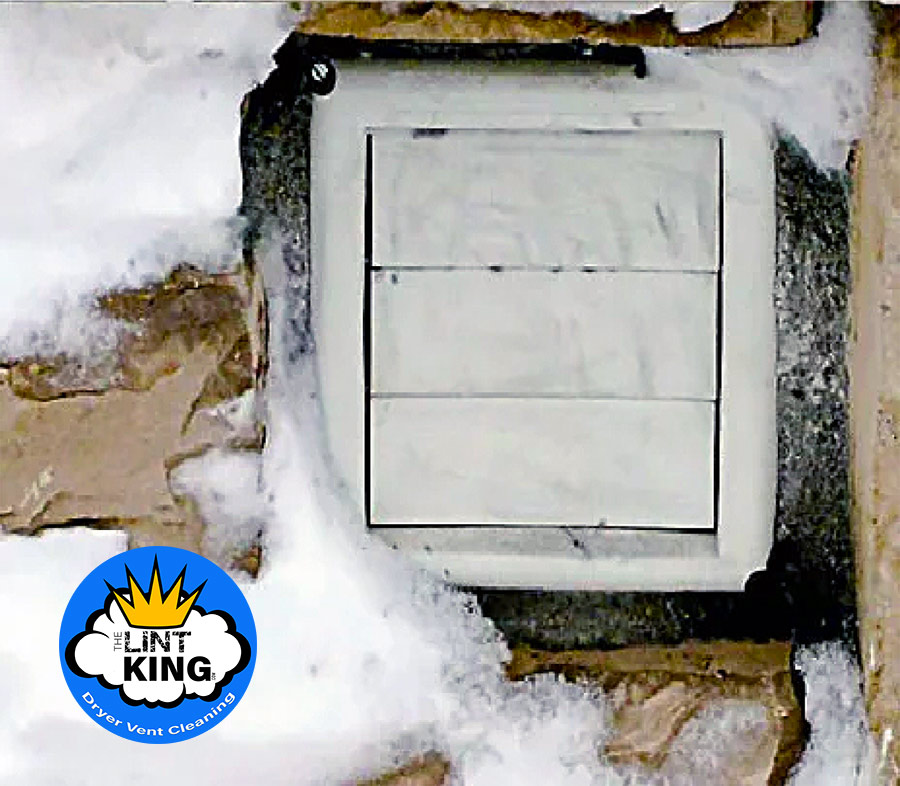
Safeguarding your home against dryer vent carbon monoxide risks is crucial, especially during winter months. Dryer vent blockage due to snow and ice accumulation poses serious safety concerns. When snow and ice obstruct your dryer vent flaps, lint, dust, and debris become trapped, leading to hazardous safety risks and reduced efficiency.
Primarily, snow and ice create barriers around your dryer vent opening, trapping lint and debris inside. Moisture buildup can further freeze, intensifying blockages. This trapped debris significantly reduces airflow, decreasing your dryer’s efficiency and creating safety hazards, including carbon monoxide risks.

Here is a practical starting point for a safer, smoother laundry routine. At The Lint King, we want Northern Illinois homeowners to understand dryer vent cleaning without feeling overwhelmed. Whether you recently bought your first home or have used the same dryer for years, a few clear explanations can help you recognize problems and plan maintenance.
Welcome to our blog. Bring your questions, start with the basics, and use these tips to make informed decisions about your laundry room.
A conventional vented dryer moves warm air through tumbling clothes and sends moist exhaust outdoors. The route includes the lint filter, passages inside the appliance, the connection behind it, permanent ductwork, and an outside opening.
The connection behind the dryer is called a transition duct. The outside cover usually includes a damper, a flap that opens as exhaust leaves. Each part needs attention because a clean filter alone cannot confirm that the whole route is clear.
The U.S. Consumer Product Safety Commission explains that accumulated lint can restrict airflow, cause excessive heat, and contribute to fires. Cleaning therefore involves more than removing the lint you can see on the screen.[1]
This guide applies to vented dryers. Ventless heat pump dryers handle moisture differently and do not need an exterior exhaust duct. Follow your appliance manual for its specific maintenance requirements.[2]
Cleaning the lint filter is a useful habit that belongs with every load. The U.S. Fire Administration recommends cleaning it before and after each cycle and checking that the venting behind the dryer is not damaged, crushed, or restricted.[3]
However, everyday care and complete vent maintenance serve different purposes. Emptying the filter does not remove material farther inside the exhaust system. Likewise, buying a replacement dryer does not clean the existing ductwork connected to it.
Think of maintenance as an ongoing household responsibility. Keep the appliance manual accessible, know where the vent exits, and save service records. These small steps make future questions easier to answer.
The U.S. Fire Administration recommends cleaning dryer vent ductwork every year. That gives homeowners a clear starting point for planning maintenance.[4]
Next, consider how your household uses the dryer. The Lint King’s guidance highlights laundry volume, shedding pets, vent length, and turns as factors that influence cleaning needs. A busy laundry room may need closer attention than one used occasionally.[5]
Ask your technician to recommend a schedule based on the actual condition and layout. Do not wait for the next calendar reminder if drying performance changes beforehand.
If you recently moved, ask the previous owner for maintenance records. When the history is unknown, arrange an assessment instead of assuming the exhaust system was cleaned before the sale.
Start by comparing familiar loads. Are similar clothes taking longer on the same settings? Does the dryer feel unusually hot? Are you seeing lint near the outdoor opening?
These observations can help describe a concern, but they do not identify the cause by themselves. Load size, settings, washer performance, and appliance faults can also affect drying. Our guide, 5 Signs You Need Dryer Vent Cleaning, explains the differences.[6]
| Observation | Practical Next Step |
|---|---|
| Familiar loads repeatedly stay damp | Check the filter, load, and settings; arrange evaluation if the problem continues. |
| The visible connection looks crushed | Stop using the dryer until the restriction is corrected safely. |
| The outdoor flap stays closed during operation | Have the outlet and exhaust path checked for restricted airflow. |
| You notice a burning smell or severe overheating | Stop use and arrange qualified inspection before restarting. |
| The last cleaning date is unknown | Establish a maintenance record and schedule an assessment. |
If there is smoke, fire, or immediate danger, leave the home and call emergency services from outside. Routine service scheduling is appropriate only after any emergency has been addressed.
Remove collected lint and reinstall the filter correctly. Never operate the dryer without it. For cleaning beyond ordinary lint removal, follow the manufacturer’s directions. You can also explore Clothes Dryer Lint Trap Cleaning for additional background.
Without shifting a heavy appliance, look for obvious crushing, disconnection, or damage behind the dryer. Keep your check visual. Leave appliance disassembly and internal cleaning to a qualified service professional.
If there are no urgent warning signs and the dryer is operating normally, observe an accessible outlet from a safe position. The cover should open as exhaust leaves. A moving flap is a useful clue, although it does not prove that the entire duct is clean.
Avoid roof access, unsafe ladders, and reaching into the opening. Write down what you notice so you can explain it when requesting help.
Meanwhile, give clothes enough room to tumble. ENERGY STAR explains that oversized loads can take longer to dry because air needs space to circulate. Use the cycle recommended for the fabric and consider automatic moisture sensing when your dryer offers it. This feature helps limit unnecessary drying after clothes are dry.[2]
Also, keep the lint filter clean to support air circulation. These habits complement vent maintenance. They cannot clear a blocked duct or correct damaged venting.
When comparing performance, write down the load type and selected cycle. A note such as “the usual towels needed another cycle” gives a technician more useful context than simply saying the dryer seems slow.
Bird activity near a vent deserves attention. Nesting material can obstruct the exhaust route, while a damaged cover may leave the opening accessible. The Lint King offers Bird Nest Removal and exterior cover services.[7]
If you see nesting material or hear birds inside, stop using the affected vented appliance and request an assessment. Do not push tools into the opening or seal birds inside.
Before any cover is added, ask whether it is suitable for dryer exhaust and how it must be maintained. Outdoor protection should preserve airflow and allow cleaning access.
A useful service conversation starts with the complete exhaust route. Ask what will be inspected, which sections will be cleaned, and whether access limitations affect the work.
The Lint King’s Dryer Vent Cleaning FAQs describes attention to dryer airways, the hookup, ductwork, and the exterior outlet. It also explains the use of brushes, vacuuming, inspection, and final testing.[8]
Cleaning and repair are related services. A disconnected duct, damaged connection, or unsuitable material needs its own assessment. Ask for an explanation of any recommended correction before approving additional work.
Afterward, keep the service summary. If drying problems continue, share that information with the technician. An appliance fault may require separate diagnosis.
Before the visit ends, ask which areas were accessible, what was found, and whether anything needs followup. Request a clear explanation of the next recommended cleaning interval. Keep those answers with your receipt so the next service conversation starts with useful information about your home. You can share that record with other household members, too.
You do not need technical measurements to begin. Instead, gather the details you already know:
Also ask what access is needed. Clear movable household clutter before arrival, while leaving heavy appliance movement and utility connections to the professional.
For pricing, review Dryer Vent Cleaning Costs. The official page explains that location, height, accessibility, condition, and additional work can affect the price. Confirm current pricing and any offer terms before booking.[9]
Our blog is here to make maintenance understandable. Start with the question that fits your home today, then return when another question comes up.
For example, choose one place to keep dryer information: a home maintenance folder, a notebook, or a shared household calendar. Record the model number, service date, and any recommendations. Then make sure everyone who uses the dryer knows where the filter is and who to tell when something changes. Clear communication helps the whole household follow the same routine.
You are welcome here whether you are researching your first cleaning or organizing ongoing care. There is no need to know every ductwork term before asking for help.
Ready to take the next step? Review Dryer Vent Cleaning Near Me | Serving Northern Illinois to confirm coverage. Then visit Dryer Vent Cleaning Appointment Scheduling | The Lint King for current availability and preparation instructions.[10] We look forward to helping you understand your dryer vent and plan its care with confidence.