

How Dew Point Affects Dryer Performance
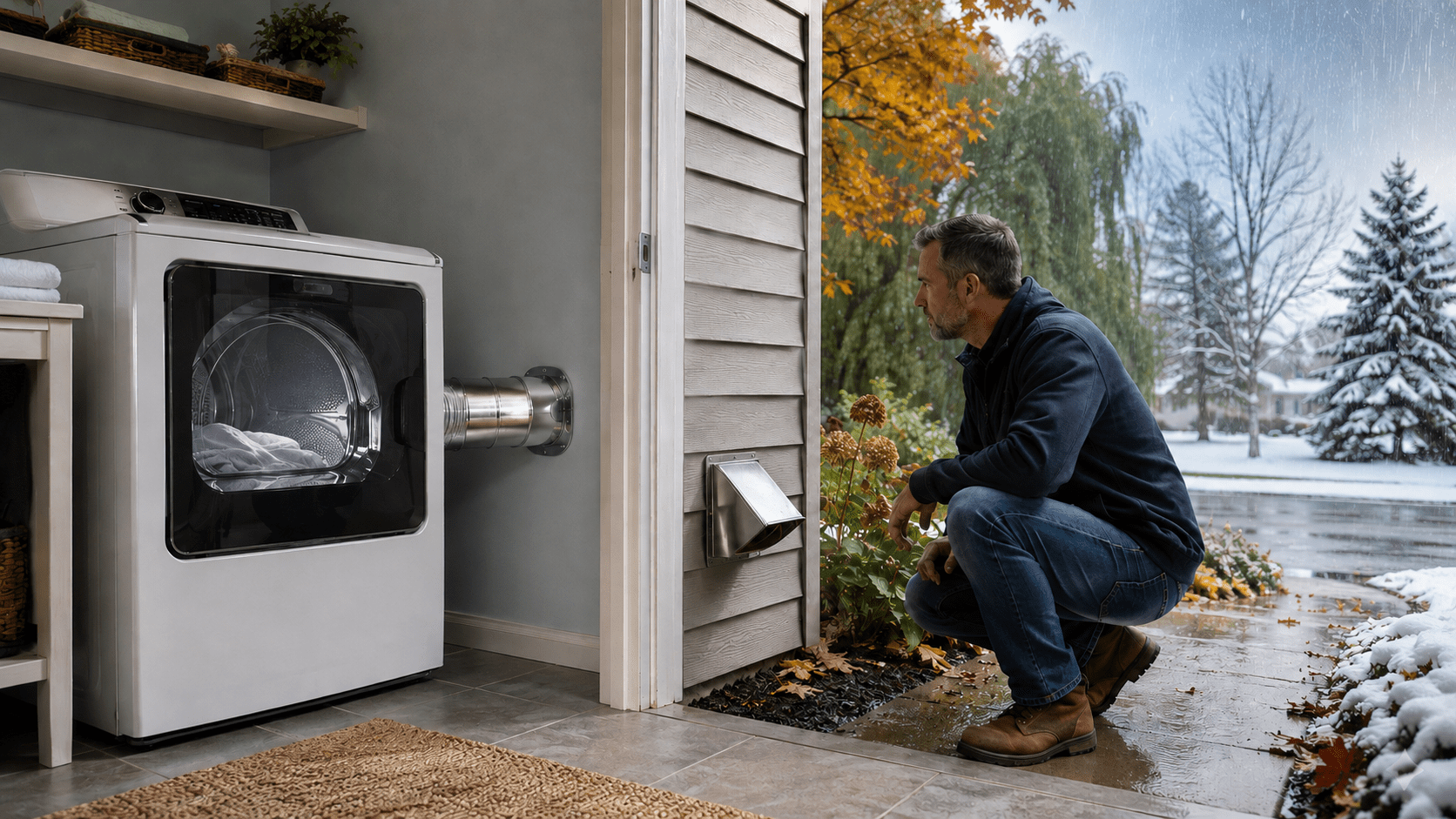
Learn how dew point relates to dryer performance, why condensation forms, and which safe checks help separate humidity concerns from airflow problems.
The weather can expose an airflow problem that was already developing. It should not become the automatic explanation for a dryer that takes too long on every load. Persistent slow drying may point to lint buildup, a crushed transition duct, an obstructed outdoor hood, an overly long vent, or an appliance problem.
A conventional vented dryer does more than heat clothes. It draws air from the laundry room, heats that air, and moves it through the tumbling load. The heated air absorbs moisture from the fabric.
Learn how dew point relates to dryer performance, why condensation forms, and which safe checks help separate humidity concerns from airflow problems.

Cold, humidity, wind, snow, and ice can affect dryer airflow and drying time. Learn what Northern Illinois homeowners should inspect each season.

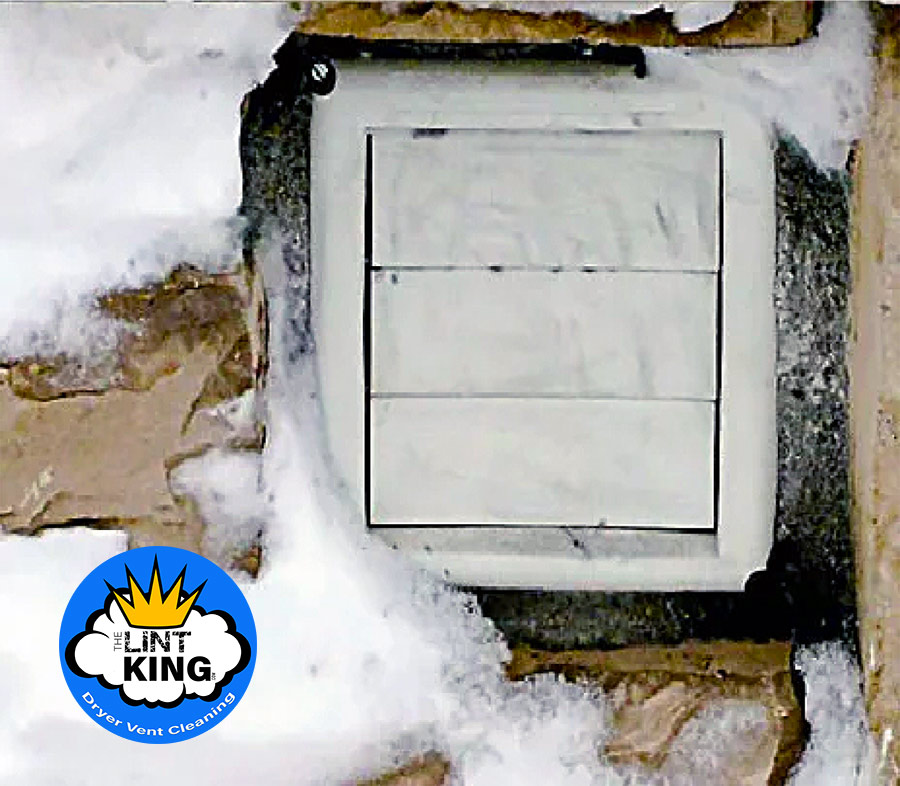
Safeguarding your home against dryer vent carbon monoxide risks is crucial, especially during winter months. Dryer vent blockage due to snow and ice accumulation poses serious safety concerns. When snow and ice obstruct your dryer vent flaps, lint, dust, and debris become trapped, leading to hazardous safety risks and reduced efficiency.
Primarily, snow and ice create barriers around your dryer vent opening, trapping lint and debris inside. Moisture buildup can further freeze, intensifying blockages. This trapped debris significantly reduces airflow, decreasing your dryer’s efficiency and creating safety hazards, including carbon monoxide risks.
A clogged dryer vent forces your appliance to operate harder, consuming more energy. Consequently, energy waste and higher utility bills are inevitable. Moreover, you’ll experience longer drying cycles, increasing frustration and appliance wear, contributing indirectly to dryer vent carbon monoxide concerns.
Restricted airflow heightens overheating risks. Electric dryers can suffer component damage and potential fires. Gas dryers face even greater dangers, specifically dryer carbon monoxide buildup. Dryer Fire Risk
Proper ventilation is critical for gas dryers. When snow or ice blocks exhaust fumes, hazardous dryer carbon monoxide gases can backflow into your home or workplace, causing severe health issues, including:
Electric dryers, although not producing carbon monoxide, can still dangerously overheat and pose significant fire risks.
Identifying these key signs early can prevent dangerous dryer vent carbon monoxide outcomes:
If drying clothes suddenly requires additional cycles or extra time, it’s indicative of vent blockage.
Clothes feeling unusually hot after drying signals restricted airflow and overheating.
Lint accumulating excessively around your laundry area or on freshly dried clothes signals vent blockage.
Lint gathering inside your dryer, particularly around the back panel or drum, clearly indicates blocked airflow.
If you suspect blocked dryer vents from snow, ice, or lint, immediate action is essential to prevent dryer carbon monoxide hazards. Contact The Lint King at (847) 874-4805 or conveniently schedule your inspection online 24/7.
Our certified technicians will:
The Lint King prioritizes your safety and satisfaction. Our trained professionals deliver prompt, efficient service, ensuring your home remains protected against dryer vent carbon monoxide risks. Using advanced techniques and specialized tools, we offer top-quality dryer vent inspection and cleaning services.
Protect your family, home, and appliances from blocked dryer vent dangers. Contact The Lint King at (847) 874-4805 today for professional dryer vent cleaning.

How Dirty Dryer Vents are Draining Your Wallet the Ultimate Guide – The Lint King