How to Clean a Clothes Dryer Lint Trap: A Practical Homeowner Guide
Here is a simple laundry-room habit every homeowner can use: clean the clothes dryer lint trap after every load. It takes a moment and helps air move through the appliance.
At The Lint King, this matters because the filter is the first checkpoint in a longer exhaust path. Good care begins at the screen, continues through the dryer airway and ductwork, and ends outdoors. This guide explains those steps in plain language.
Why Lint Trap Cleaning Matters
A conventional vented dryer tumbles wet clothing while heated air carries moisture away. The lint screen catches many loose fibers before the air enters the exhaust system. When the screen is covered with lint or residue, less air can pass through its mesh.
ENERGY STAR recommends cleaning the lint filter after every load to improve air circulation and dryer efficiency. It also calls this an important safety measure. Meanwhile, the U.S. Fire Administration says failure to clean was the leading factor contributing to ignition in 31 percent of reported home clothes-dryer fires from 2018 through 2020.
It covers cleaning broadly, not only the screen. Filter care is essential, but it does not replace complete dryer and vent maintenance.
Know the Parts Before You Begin
People often use “lint trap,” “lint screen,” and “lint filter” for the removable mesh part or its housing. Check your dryer manual for its terms.
Clothes dryer airflow parts and homeowner tasks
| Part |
What it does |
Practical homeowner task |
| Lint filter |
Catches lint, hair, pet fur, and fibers |
Remove lint after every load and inspect the mesh |
| Filter housing |
Holds the removable screen inside the dryer |
Remove only accessible lint, as the manual permits |
| Transition duct |
Connects the dryer to the wall duct |
Look for visible crushing, damage, or disconnection |
| Exhaust duct |
Carries warm, moist air through the home |
Arrange periodic inspection and cleaning |
| Outdoor termination |
Releases dryer exhaust outside |
Observe safely whether the damper opens during operation |
Filter locations vary. Some pull from the top; others sit inside the door. Combination, condenser, and heat-pump models may use additional filters. Check the exact model’s manual before washing, vacuuming, or removing parts.
Clean the Lint Filter After Every Load
Cleaning after each load leaves the screen ready. Checking before a cycle confirms the task was done.
- Let the dryer stop completely. Remove clothing and let hot surfaces cool when necessary.
- Find the correct filter. Use its handle or frame; never pry with a sharp object.
- Remove the loose lint. Roll dry lint away gently with your fingers, then put it in a wastebasket.
- Look at the mesh and frame. Check for tears, holes, warping, cracks, or remaining coating.
- Reinstall the filter fully. Return it to its normal position. Never operate the dryer without it.
The U.S. Fire Administration advises cleaning the filter before and after each cycle and never using a dryer without one. If it is damaged, confirm the correct replacement with the manufacturer or an appliance professional. A similar-looking screen may not fit correctly.
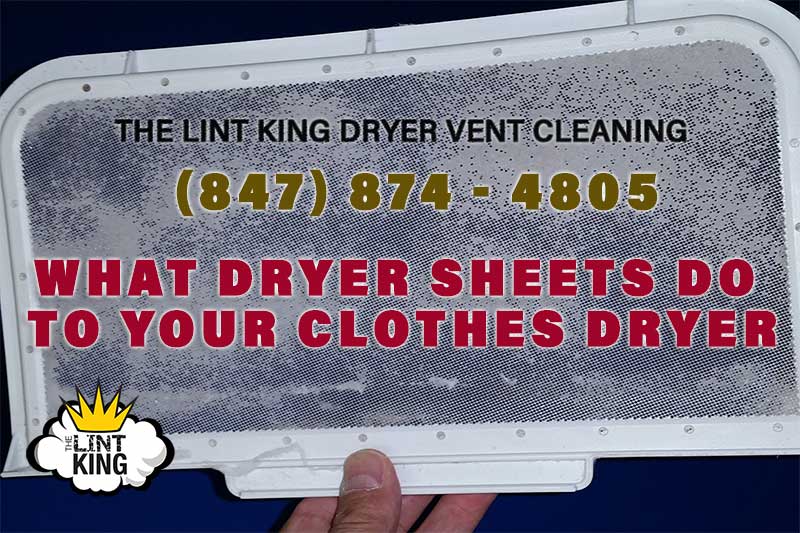 A lint-covered screen needs routine cleaning, while visible film may call for deeper care.
What to Bring for a Deeper Cleaning
Loose lint usually peels away without tools. However, laundry-product residue can coat the fine openings even when the screen appears clear. ENERGY STAR notes that dryer sheets may leave a film that reduces airflow and recommends regular scrubbing for homes that use them.
First, read the dryer manual. If it permits washing, gather a sink, approved detergent, a soft nylon brush or clean toothbrush, and a place for complete drying. Avoid wire brushes, abrasive pads, solvents, and sharp tools that could damage the mesh.
How the Deeper Cleaning Works
- Remove all loose, dry lint from the screen with your fingers.
- Wet both sides of the filter with the water temperature specified by its manufacturer.
- Apply the approved detergent and gently brush both sides, paying attention to coated areas without bending the frame.
- Rinse thoroughly. Examine the screen in good light and check whether water passes through the mesh instead of pooling on the film.
- Let the filter dry fully. Then reinstall it securely before the dryer is used.
Whirlpool describes hot water, liquid detergent, and a nylon brush for its dryer screens, followed by thorough rinsing and drying. Still, water temperature, cleaning products, filter construction, and recommended frequency can vary. Your own model instructions come first.
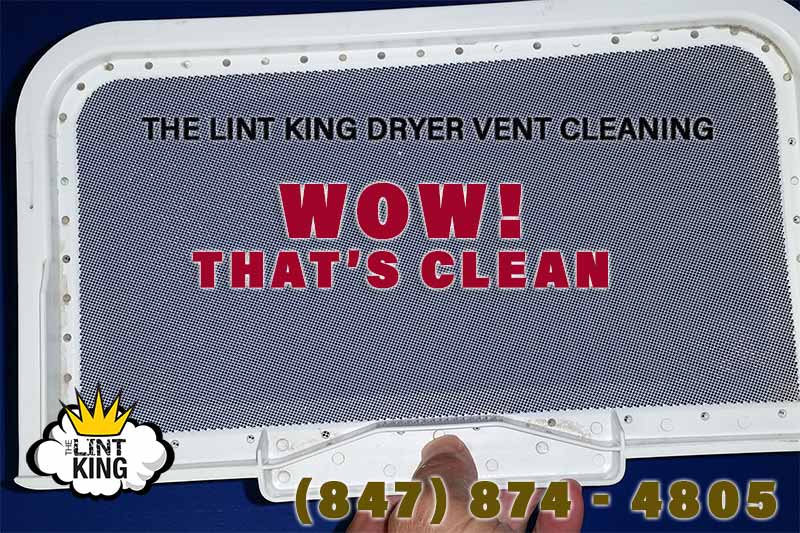 A clean, intact, completely dry filter is ready to return to its proper position.
A Simple Lint Filter Decision Flow
flowchart TD
    accTitle: Lint filter cleaning decision
    accDescr: Remove loose lint after each load, inspect for residue or damage, follow the dryer manual for washing, and replace a damaged filter before using the dryer.
    A["Remove dry lint after the load"] --> B{"Film or residue remains?"}
    B -- "No" --> C{"Screen or frame damaged?"}
    B -- "Yes" --> D["Follow the manual for deeper cleaning"]
    D --> E["Rinse and dry completely"]
    E --> C
    C -- "No" --> F["Reinstall the filter securely"]
    C -- "Yes" --> G["Obtain the correct replacement"]
Clean, inspect, dry, and reinstall the filter carefully.
Clean the Accessible Filter Opening Carefully
Lint can fall beyond the screen into its opening. Before cleaning that area, turn the dryer off and disconnect power as the manufacturer directs. Do not disturb a gas connection or move a heavy appliance by yourself.
GE Appliances advises unplugging the dryer before using an appliance brush or vacuum-hose attachment in the lint-filter opening. Keep any tool within the accessible area permitted by the manual. Do not force a large attachment through a narrow slot, push lint farther into the machine, remove panels, or reach toward internal moving and electrical parts.
If objects, compacted lint, or damage are visible beyond safe reach, stop. A qualified appliance service person can address the dryer’s interior. The Consumer Product Safety Commission also recommends periodic professional cleaning inside the dryer chassis to limit lint accumulation.
What a Clean Filter Can and Cannot Tell You
A clean screen should have an open mesh, an intact frame, and no obvious waxy coating. It should slide into place normally. However, appearance alone does not certify the dryer or exhaust system as clean, correctly installed, or free from damage.
Some lint passes beyond the filter during normal use. It may collect in the dryer airway, transition connection, permanent duct, or outdoor hood. For that reason, cleaning the screen does not replace dryer vent cleaning.
The CPSC explains that lint buildup in a dryer or exhaust duct can block airflow and create excessive heat. It also identifies damp clothing after a typical cycle or drying that takes longer than normal as a possible sign of a blocked screen or exhaust duct.
Watch for Signs Beyond the Lint Trap
One slow load does not prove there is a vent clog. Heavy towels, an overloaded drum, a weak washer spin, cycle selection, or an appliance fault can also change drying time. Instead, compare similar loads and notice repeated changes.
- Clothes repeatedly need another cycle.
- The dryer or laundry area feels unusually hot.
- A burning, scorched, or unfamiliar odor appears.
- The dryer stops or displays an airflow or temperature warning.
- The outdoor damper barely opens while the dryer runs.
- Lint collects behind the appliance or around the outdoor outlet.
Stop using the dryer for a burning odor, severe heat, repeated shutdown, or another serious warning. Smoke, flames, sparking, or a gas odor require leaving the home and contacting emergency services from a safe place. Do not keep running test loads to identify the problem.
Build a Complete Dryer Care Routine
Remove screen lint after each load. During normal cleaning, keep the laundry area free of loose lint and clutter. From a safe ground-level position, observe whether the outdoor damper opens while the dryer operates.
Also, inspect the visible transition duct without moving the dryer unsafely. Look for crushing, sharp bends, tears, or disconnection. The U.S. Fire Administration recommends checking that the venting behind the dryer is not damaged, crushed, or restricted. It separately advises annual dryer-vent duct cleaning.
Annual service is a useful baseline, but conditions differ. Laundry volume, pets, vent length, turns, vertical routing, and outdoor obstructions can change how quickly attention is needed. Follow the manufacturer’s instructions and respond sooner if drying performance or airflow changes.
Common Lint Trap Cleaning Mistakes
- Running the dryer without the filter: Always reinstall the correct, undamaged screen before use.
- Washing loose lint first: Dry lint is generally easier to roll away before water is added.
- Reinstalling a damp screen: Let a washed filter dry completely.
- Scrubbing too aggressively: A torn or distorted mesh cannot do its intended job.
- Assuming clear-looking mesh has no residue: Dryer-sheet or fabric-softener film may be difficult to see.
- Reaching too far into the dryer: Stay within the accessible, manufacturer-approved cleaning area.
- Treating the filter as the whole vent: The exhaust path continues through concealed ductwork to the outdoors.
Related The Lint King Pages and Posts
Make the Next Load an Easier One
Remove loose lint after every load, check for residue and damage, follow the manual before washing the screen, and let it dry fully. Then remember the rest of the airflow path.
If loads keep taking longer, the outdoor damper shows weak movement, or the complete vent is due for attention, The Lint King can help Northern Illinois homeowners evaluate and clean the exhaust route. Service areas and appointment availability may change, so review the scheduling page before booking.
Schedule A Dryer Vent Cleaning and give your dryer’s full exhaust path the attention a lint screen alone cannot provide.
Suggested WordPress Details
Suggested WordPress publishing details
| Title |
How to Clean a Clothes Dryer Lint Trap: A Practical Homeowner Guide |
| Category |
Dryer Vent Cleaning Education |
| Tags |
clothes dryer lint trap cleaning, dryer lint filter, dryer screen residue, dryer airflow, laundry room safety, dryer vent maintenance, Northern Illinois |
| Excerpt |
Learn how to clean a clothes dryer lint trap after every load, remove stubborn residue safely, recognize filter damage, and know when the full dryer vent needs professional attention. |
| Suggested Image |
A realistic 16:9 Northern Illinois laundry room showing a homeowner holding a clean, intact dryer lint filter beside a modern vented dryer. Include a small wastebasket with ordinary lint and a visible, properly connected metal transition duct. Keep the scene bright, calm, and practical. Do not show flames, smoke, excessive lint piles, unsafe appliance movement, plastic ducting, brand logos, invented statistics, or prices. Suggested alt text: “Homeowner holds a clean dryer lint filter during routine laundry-room maintenance.” |
References
- Clothes Dryers. ENERGY STAR, U.S. Environmental Protection Agency. Accessed September 4, 2026. Full URL:
https://www.energystar.gov/products/clothes_dryers ↩ ↩
- Appliance and Electrical Fire Safety. U.S. Fire Administration, Federal Emergency Management Agency. Accessed September 4, 2026. Full URL:
https://www.usfa.fema.gov/prevention/home-fires/prevent-fires/appliance-and-electrical/ ↩
- Clothes Dryer Fire Safety. U.S. Fire Administration, Federal Emergency Management Agency. Accessed September 4, 2026. Full URL:
https://www.usfa.fema.gov/downloads/pdf/publications/clothes_dryer_fire_safety_flyer.pdf ↩
- Cleaning the Lint Screen on a Dryer. Whirlpool Corporation. Accessed September 4, 2026. Full URL:
https://producthelp.whirlpool.com/Laundry/Dryers/Product_Info/Dryer_Cleaning_and_Care/Cleaning_the_Lint_Screen_on_a_Dryer ↩
- Dryer – How to Clean Lint Filter. GE Appliances. Accessed September 4, 2026. Full URL:
https://products.geappliances.com/appliance/gea-support-search-content?contentId=17329 ↩
- Overheated Clothes Dryers Can Cause Fires. Publication 5022, U.S. Consumer Product Safety Commission. Accessed September 4, 2026. Full URL:
https://www.cpsc.gov/s3fs-public/5022.pdf ↩ ↩
- Basement and Garage Fire Safety. U.S. Fire Administration, Federal Emergency Management Agency. Accessed September 4, 2026. Full URL:
https://www.usfa.fema.gov/prevention/home-fires/prevent-fires/basement-and-garage/ ↩