7 Practical Ways to Prevent Dryer Fires at Home
Why Dryer Fire Prevention Deserves Attention
A dryer uses heat and moving air to remove moisture from clothing. In a vented dryer, that warm, damp air must travel through the lint filter, transition duct, exhaust duct, and outdoor termination. When lint or a crushed connection restricts that route, airflow falls, and heat can build.
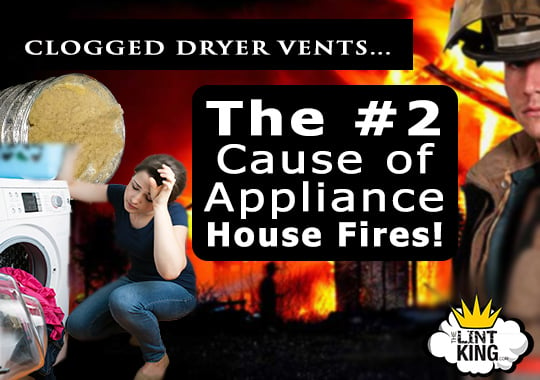
The United States Fire Administration (USFA) currently reports on its official website that failure to clean was the leading factor contributing to ignition in 31 percent of home clothes dryer fires from 2018 through 2020.1 Because reporting periods change, check the official source for updates. That does not mean every fire has the same cause. However, it shows why routine cleaning and observation matter.
Source: United States Fire Administration, National Fire Incident Reporting System.
Seven Practical Ways to Prevent Dryer Fires
1. Clean the Lint Filter After Every Load
Start with the easiest habit. Remove lint from the filter after every load, and never operate the dryer without the filter properly installed. A clear filter helps air move through the appliance. ENERGY STAR also notes that cleaning it after every load improves air circulation and dryer efficiency.2
Now and then, look closely at the screen. Over time, dryer sheets can leave a film that reduces airflow. Follow the dryer manufacturer’s care instructions before washing or brushing the filter. Replace a cracked, warped, or loose filter with the correct part for your model.
2. Keep the Complete Exhaust Path Clear
The lint filter captures plenty of lint, but not all of it. Fine material can move into the dryer cabinet, transition connection, hidden duct, and outdoor hood. The United States Consumer Product Safety Commission, or CPSC, advises periodic cleaning of the dryer vent and exhaust duct.3
There is no single schedule that fits every home. Dryer use, vent length, turns, pets, laundry volume, and the outdoor termination can change how quickly restriction develops. Follow the appliance manual and inspect sooner when drying performance changes. If the route is long, concealed, elevated, or difficult to access safely, ask a qualified dryer-vent professional to inspect and clean it.
As a maintenance baseline, both USFA and NFPA recommend cleaning the vent duct every year. A longer drying time is a reason to check sooner, not to wait for the calendar.4, 5
3. Use the Right Duct and Protect Its Shape
Check the short connection behind the dryer. Plastic or thin foil accordion-style material can trap lint and can be kinked or crushed. The CPSC recommends rigid or corrugated semi-rigid metal duct because it supports better airflow.3 The permanent exhaust route should also discharge outdoors, not into an attic, crawlspace, wall cavity, or indoor room.6
Do not push the dryer tightly against the wall. That can flatten the transition duct even when it looked correct during installation. After moving the appliance, confirm that the connection remains secure and open. Use only materials allowed by the dryer manufacturer and applicable local requirements. When you are unsure, have the installation evaluated.
4. Watch Drying Time, Heat, and Outdoor Airflow
Your dryer often gives an early warning before a vent becomes fully blocked. Notice loads that suddenly need more time, remain damp after a normal cycle, or feel unusually hot. Also, pay attention to excess heat in the laundry area, a burning odor, repeated dryer shutdowns, or a warning code.
From ground level, observe the outdoor vent while the dryer runs. Its damper should open, and exhaust air should escape. Never climb or reach from an unsafe position. Weak airflow can have several causes, so one symptom does not prove the vent is clogged. Still, a persistent change deserves inspection before the next load. The Clogged Dryer Vent Test uses details to suggest a cleaning interval.
Look for a hood that is stuck, damaged, or blocked by debris. Do not attach a screen that catches lint; ask a professional about a termination or guard.6
5. Run the Dryer Only While You Are Awake and Home
Do not start a load before leaving the house or going to bed. Staying home and awake gives you a chance to respond to an unusual smell, sound, alarm, or operating problem. The National Fire Protection Association includes this advice in its clothes dryer safety guidance.5
In addition, avoid overloading the drum. Clothes need room to tumble and release moisture. Use the cycle and load size described in the manufacturer’s instructions. Do not keep restarting a load that is not drying normally. A second or third cycle may hide an airflow or appliance problem that needs attention.
6. Handle Special Laundry and Nearby Storage Carefully
Keep boxes, clothing piles, cleaning rags, and other items that can burn away from the dryer. Vacuum accessible lint and dust around, beneath, and behind the appliance only when you can do so safely. Do not move a gas dryer or disconnect utilities unless you are qualified to perform that work.
Use extra care with fabric exposed to gasoline, cooking oil, solvents, finishing oils, or other flammable substances. Repeated washing may reduce volatile residue. Check the product label, garment-care label, and dryer manual. The CPSC advises minimizing volatile residue and preferably hanging affected items to dry; its guidance also discusses low heat and an end-of-cycle cool-down when dryer use is appropriate.3 Never guess when a label says to keep an item away from heat.
7. Inspect Connections and Maintain Working Alarms
Periodically look for a damaged power cord, scorched outlet, loose plug, leaking water connection on a steam model, or a questionable gas connector. Stop using the appliance if you see damage, smell gas, notice sparking, or suspect a leak. Leave repairs to the appropriate qualified professional. Major appliances should be connected directly to a suitable wall outlet, not an extension cord.1
Finally, maintain smoke alarms on every level, inside bedrooms, and outside sleeping areas, then test them monthly.7 Carbon monoxide (CO) alarms belong on every level and outside sleeping areas according to CPSC guidance.8 Alarms do not replace regular maintenance, but they add vital warning time. Follow current manufacturer and local fire-safety guidance for placement, testing, batteries, and replacement.
How to Make Dryer Safety Part of Your Routine
A useful routine does not need to be complicated. Connect each task to a moment you already recognize: finishing a load, cleaning the laundry room, noticing a performance change, or arranging other home maintenance. Add the checklist to home records.
| When | What to do | Why it matters |
|---|---|---|
| After every load | Clean the lint filter and return it securely. | Supports airflow through the dryer. |
| During regular cleaning | Remove accessible lint and keep storage away. | Reduces the material that can collect near the heat. |
| While the dryer runs | Notice drying time, heat, odors, and outdoor airflow. | Helps identify a meaningful change early. |
| When a warning appears | Pause use and arrange the right inspection or repair. | Prevents repeated operation with an unresolved problem. |
A Simple Dryer-Safety Decision Flow
Use this flow before and during each load. It keeps ordinary maintenance separate from problems that call for professional help.
flowchart TD
    accTitle: Dryer safety decision flow
    accDescr: Clean the lint filter, run the dryer only while awake and home, observe drying performance and airflow, and stop for cleaning or repair when performance is not normal.
    A["Clean and reinstall the lint filter"] --> B["Start the dryer while awake and home"]
    B --> C{"Drying time, heat, and airflow seem normal?"}
    C -- "Yes" --> D["Finish the cycle and keep the area clear"]
    C -- "No" --> E["Stop and check accessible warning signs"]
E --> F["Arrange cleaning or qualified repair before reuse"]If You See Smoke or Flames
Treat smoke, flames, or a sounding alarm as an emergency. Do not open the dryer door to investigate, because adding oxygen can worsen a fire.9 Get everyone outside, stay outside, and call 911 from a safe location.10 Do not reenter the home. Follow instructions from emergency responders.
Related The Lint King Pages and Posts
For a deeper review, continue with these practical resources:
- Clothes Dryer Fire Prevention Tips
- Dryer Vent Cleaning Guide for Safer, Faster Drying
- Dryer Vent Static Pressure, Airflow, and Duct Code: A Homeowner’s Guide
- Dryer Vent Cleaning Costs
- Bird’s Nest Removal | Bird Covers | Vent Screens
- Dryer Vent Cleaning Company
Make the Next Load Safer
Dryer safety begins with manageable habits. Clean the filter, protect the vent path, stay nearby while the machine runs, and respond when something changes. You only need to recognize when normal drying has changed and choose a safe next step.
If your dryer takes longer, the outdoor airflow seems weak, or the vent route is due for professional attention, Schedule A Dryer Vent Cleaning with The Lint King. We will help you understand the vent’s condition and the practical options for your home.
References
- Appliance and Electrical Fire Safety. U.S. Fire Administration.
- Clothes Dryers. ENERGY STAR, U.S. Environmental Protection Agency.
- Overheated Clothes Dryers Can Cause Fires. U.S. Consumer Product Safety Commission.
- Basement and Garage Fire Safety. U.S. Fire Administration.
- Clothes Dryer Safety Tip Sheet. National Fire Protection Association.
- Clothes Dryer Fires in Residential Buildings (2008-2010). U.S. Fire Administration.
- Smoke Alarms. U.S. Fire Administration.
- Home Fires Involving Clothes Dryers and Washing Machines. National Fire Protection Association.
- Home Fire Escape Plans. U.S. Fire Administration.